
This business also has a practical advantage: it can be run as a mobile service. There is no storefront requirement, no large staff needed at the beginning, and no need to build a huge operation before the work starts making sense financially. With the right equipment, training, and positioning, this can become a focused service business with healthy margins and low overhead.
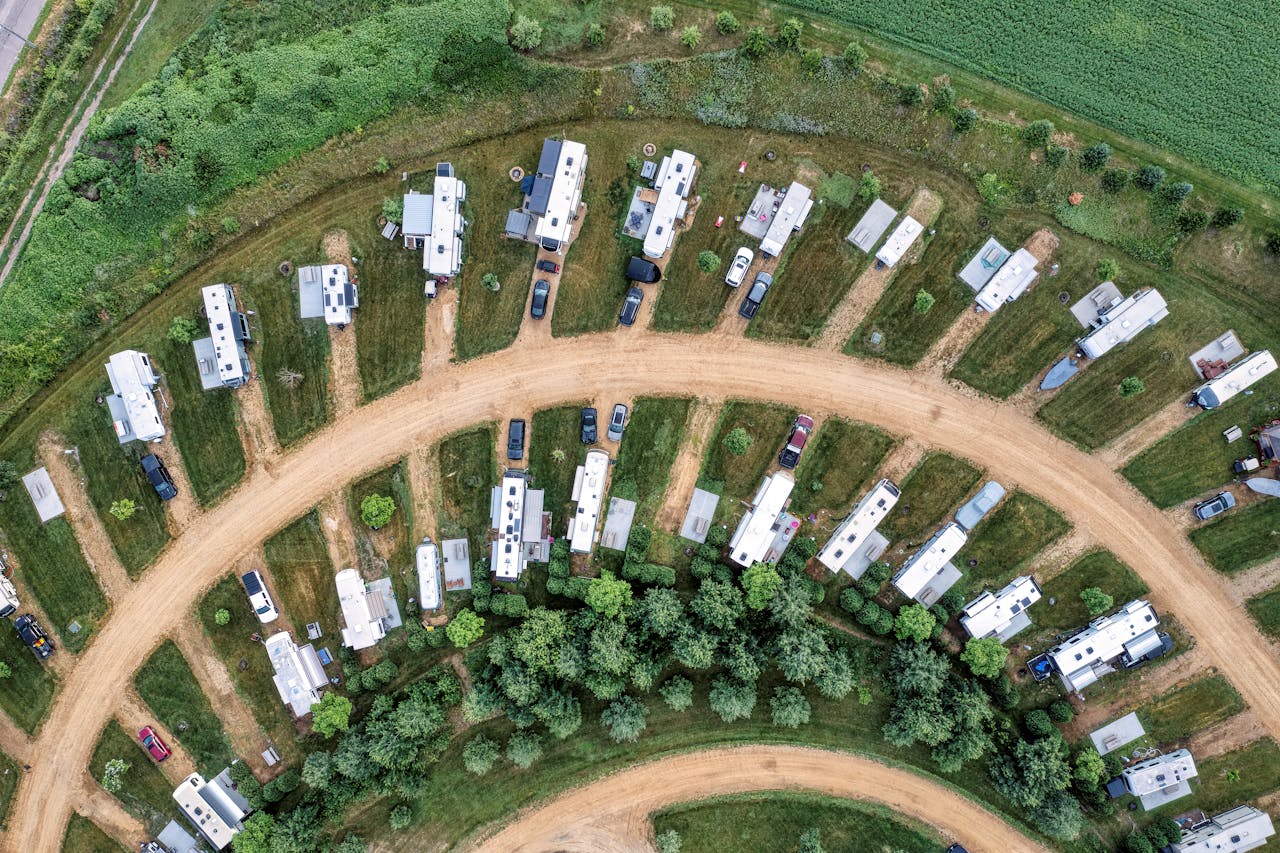
RV owners routinely deal with black tank issues, clogs, buildup, misreading sensors, and recurring odors. Many of them try chemicals, DIY solutions, or trial-and-error approaches before realizing they need someone who actually understands waste systems. That gap is where a trained specialist becomes valuable.
Unlike general RV repair, tank cleaning and waste system service is a narrower lane. That is part of the opportunity. It is a specialty service that many owners actively want help with, but relatively few operators are trained to perform well.
One of the reasons this business model appeals to people is the ability to start lean. A mobile operator can often work from a truck or trailer rather than a fixed facility. That keeps early overhead lower and puts the focus on training, equipment, service delivery, and customer acquisition.
The business also benefits from clear service value. When an RV owner has a real waste system issue, they are not usually shopping for entertainment or convenience. They are trying to solve a frustrating problem. That creates a service environment where skill, professionalism, and reliability matter.
A common mistake is assuming the business is just about buying equipment and taking a course. In reality, the skill side and the business side both matter. Operators need to understand how to diagnose problems, perform the work safely, communicate clearly with customers, and build a repeatable service model.
Another mistake is stepping into a restricted dealer or franchise-style arrangement too quickly without understanding what is being traded away in the process. Before committing to any structure, people should understand what they are paying for, what control they are giving up, and whether they are building their own business or someone else’s network.
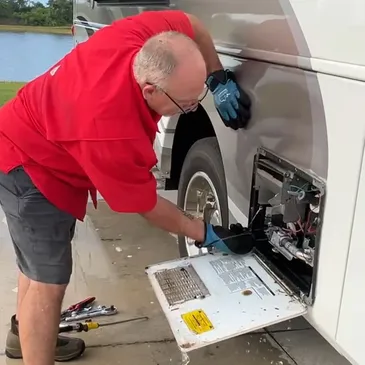
This is not a business that is learned well from theory alone. Real field training matters because RV waste system work is practical, situational, and often unpredictable. Hands-on exposure helps future operators understand what the work looks like in the field, what common problems actually feel like, and how to build confidence before working on their own.
That kind of training can shorten the learning curve and reduce preventable mistakes once someone starts operating independently.